Call Center Quality Assurance Metrics | PowerDialer.ai
Master Call Center QA Metrics: Learn key metrics, scorecards, and goals to boost customer satisfaction, agent performance, and overall service quality.
If you’ve ever spent a day inside a call center, you know it’s not exactly a quiet place. Phones ringing, people talking over each other, managers pacing with clipboards, someone waving their hands because their system just froze again. It’s organized chaos.
Now here’s the question: in all that noise, how do you actually know whether customers are walking away happy… or secretly vowing never to call again?
That’s where quality assurance (QA) metrics step in. They’re like the scoreboard in a sports game. Without them, you think you’re playing well, but you’ve got no clue if you’re actually winning.
But let me be honest, not all metrics are worth tracking. Some are just vanity numbers managers love to flash in reports. Others? They genuinely shape whether your customers stay or leave.
So, let’s talk about the QA metrics that actually matter, the ones I’ve seen make (or break) call centers.
What Is the Difference Between Call Centers and Contact Centers in QA?
A quick story:
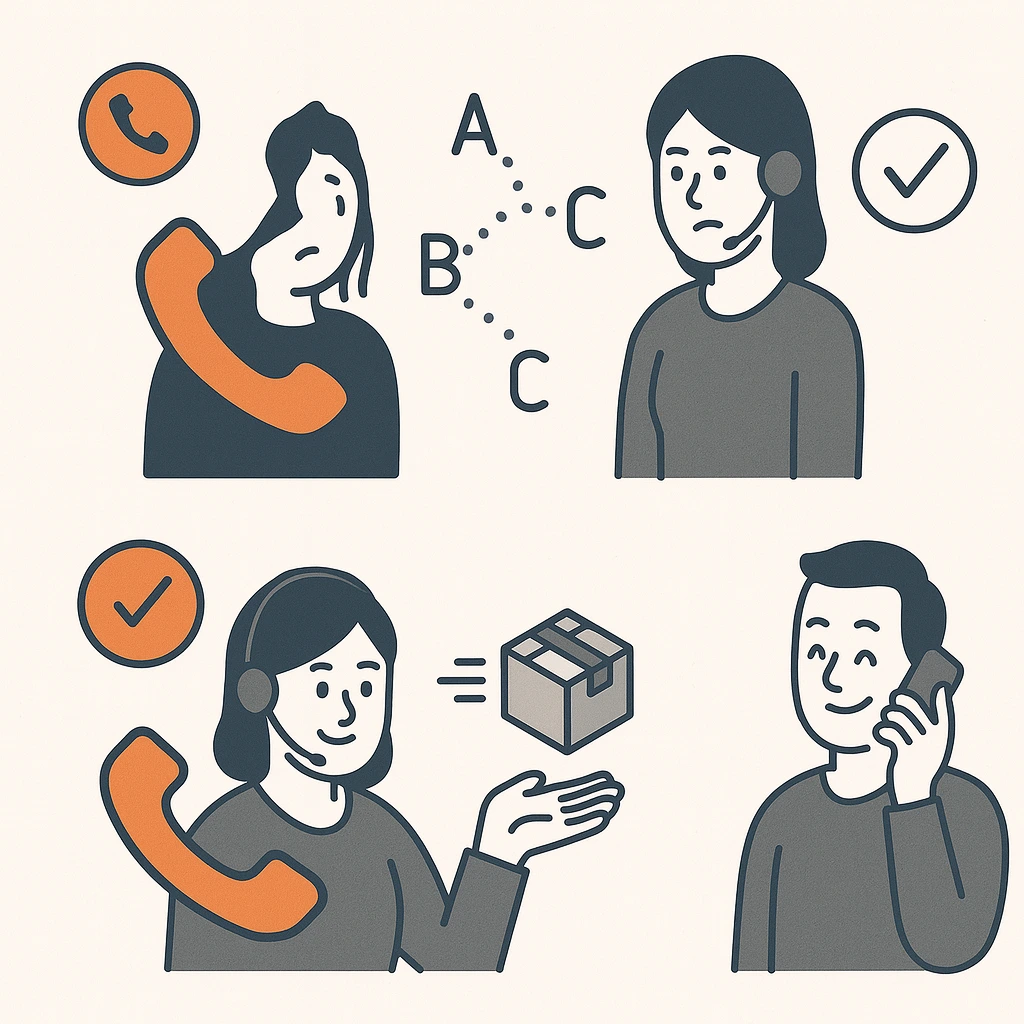
I once had to call my internet provider (you can probably guess which one). After 15 minutes on hold, the agent finally picked up, only to tell me they couldn’t help. They bounced me around departments like a hot potato, and I eventually gave up. Did they solve my issue? Nope. Did I cancel my service a few months later? You bet.
Now compare that to another experience: I ordered something online, it never arrived, so I called their support team. Within three minutes, the agent apologized, re-ordered the item, and threw in free express shipping. I actually left that call smiling.
That’s QA in action. The first company clearly didn’t measure or enforce quality. The second one? They had a system in place that made sure their agents weren’t just reading scripts but actually fixing problems.
The Difference Between Call Center and Contact Center QA
When it comes to customer service, the difference between call center and contact centerquality assurance is scope. A call center best practices focuses on phone conversations, tracking QA metrics like first call resolution and handle time. A contact center adds email, live chat, and social media into the mix. Understandingwhat is difference between call center and contact center helps leaders decide which QA metrics to prioritize for their business.
1. First Call Resolution (FCR)
Let’s be real: nobody calls a support line for fun. The faster you solve their issue, the happier they are.
FCR measures: How many problems get fixed on the very first call, no transfers, no callbacks.
Why it matters:
- High FCR = efficient and trusted service.
- Low FCR = angry customers repeating their story five times.
Quick tip: Give agent’s authority to fix small issues without manager approval. Nothing kills FCR like “I need to check with my supervisor.”
2. Average Handle Time (AHT)
Managers love this one, but it’s a double-edged sword.
AHT is basically how long each call takes from “hello” to “goodbye” (plus hold and after-call notes).
Here’s the catch:
- Push AHT too hard, and agents rush customers off the phone.
- Ignore it completely, and call drag forever.
The sweet spot? Calls that are efficient but not robotic. Customers don’t want to feel like you’re watching the clock while they talk.
3. Customer Satisfaction (CSAT)
You’ve seen these surveys: “How satisfied were you with your experience today?” Usually a 1–5 rating.
Is it perfect? No. Customers in a bad mood sometimes score low no matter what. But it’s still one of the best indicators of how your team is doing.
Want to raise CSAT?
- Train agents to use empathy. A simple “I understand how frustrating that must be” goes a long way.
- Don’t keep people waiting on hold forever. (Seriously, nothing tanks CSAT faster than a 20-minute hold.)
4. Net Promoter Score (NPS)
This one zooms out. Instead of asking about one call, NPS asks: “Would you recommend us to a friend?”
It’s a loyalty check. High NPS means customers love you enough to spread the word. Low NPS? That means calls may be polite, but deeper issues (like broken processes) are eating away at trust.
5. Compliance and Script Adherence
If you’re in healthcare, finance, or insurance, this isn’t optional. One slip-up on a disclosure and you’re facing fines.
But here’s the mistake I see too often: managers force agents to read stiff scripts word-for-word. It makes the customer feel like they’re talking to a robot.
A better approach:
- Give agents “must say” compliance points.
- Let them weave it naturally into the conversation.
Compliance plus personality = safe and engaging.
6. Agent Scorecards
Some things can’t be measured in seconds or percentages.
Agent scorecards track the human stuff: tone, empathy, clarity, professionalism. Did the agent sound like they cared? Did they actually listen instead of typing the whole time?
These soft skills often matter more to customers than raw speed.
7. Quality Monitoring Scores
This is the manager’s bird’s-eye view. Randomly sampled calls get reviewed and scored, giving you the overall health check of your call center.
Think of it like a doctor taking your blood pressure, one reading won’t tell the whole story, but patterns over time reveal the truth.
Measuring the Difference Between a Contact Center and a Call Center
The difference between a contact center and a call centeroften shows up in quality monitoring. Call centers track calls, tone, and resolution speed. Contact centers juggle more complexity, agents must manage chat, social media, and email without losing consistency. Knowingwhat is the difference between call centers and contact centers helps you pick the right tools to measure performance accurately.
Here’s what many executives don’t get: QA metrics directly tie to money.
-
Customer loyalty: A good experience makes people stay. A bad one sends them to your competitor.
-
Efficiency: Fewer repeat calls = less staff time wasted.
-
Revenue: Happy customers buy more and refer others.
-
Training: Metrics show exactly where agents struggle, so you stop wasting time on generic training sessions.
Ignore QA, and you’re basically burning money.
Why Chatbot Abandon Rate in Call Centers Matters
Automation can be helpful, but the chatbot abandon rate call center metric is one leaders can’t ignore. If too many customers give up on chatbots before reaching an agent, it’s a red flag. It means technology is hurting customer experience instead of helping. Balancing automation with human support is key to real QA success.
A lot of agents see QA as “Big Brother.” Someone listening in, waiting to dock points.
But when done right, QA is empowering:
- They know what’s expected.
- They get constructive coaching, not just criticism.
- Good calls actually get recognized (not just the bad ones).
I’ve seen agents light up when they hear positive QA feedback, it makes the grind feel worthwhile.
Common QA Pitfalls
- Chasing AHT at the expense of quality.
- Tracking 20 KPIs and confusing everyone.
- Ignoring customer emotions. Numbers won’t show if the caller left angry.
- Collecting data but never sharing it with agents. (Feedback sitting in a spreadsheet doesn’t help anyone.)
Power Dialer: Making QA Easier
Here’s the truth: doing QA manually is a pain. Listening to random calls, filling out forms, crunching numbers… It eats hours every week.
That’s why platforms like Power Dialer matter. They automate monitoring, scorecards, and compliance checks, so managers can focus on coaching instead of spreadsheets.
Features include:
- Real-time monitoring.
- AI-powered analytics.
- Customizable scorecards.
- Compliance alerts.
Less grunt work, more insights.
Final Thoughts
Call center quality assurance isn’t just about ticking boxes. It’s about making sure your customers hang up feeling like they were heard, respected, and helped.
At the end of the day, they won’t remember your average handle time. They’ll remember how the call made them feel. And that, more than any spreadsheet or report, is what defines real quality.
Book a Demo
Curious how this works in practice?
Book a free demo with PowerDialer and see how smarter QA tools can transform your call center performance.
FAQs
1. What’s the single most important QA metric? If I had to pick one, I’d say First Call Resolution. If you can’t solve problems on the first try, nothing else really matters.
2. Do small call centers really need QA? Absolutely. In fact, smaller teams often feel improvements faster. A single tweak can raise performance across the whole team.
3. How does QA impact the bottom line? Better QA = happier customers, fewer repeat calls, and more loyalty. That all translates directly into saved costs and higher revenue.
4. Isn’t QA just about catching mistakes? Nope. Done right, it’s about coaching, recognition, and making both agents and customers happier.
5. What’s the role of software in QA? Software like PowerDialer automates the tedious part (scoring, monitoring, reporting) so managers can spend more time actually improving performance.
Try it on your own list
Per-seat pricing, published, with no seat minimum. See the pricing.